- Published on
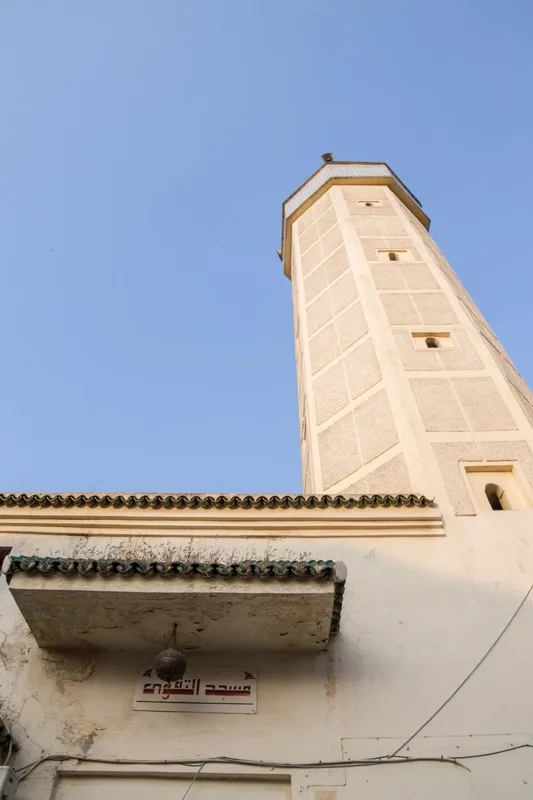
On June 8th, my mom and I decided to go shopping. She'd been to Fez numerous times before, and took me on her own to Fez Jadid, or, the New City. It's about a ten minute walk from Borj Fez, the lovely mall, easily found because it's beside the McDonalds. (I say the McDonalds and not a McDonalds because it's the only one in Fez).
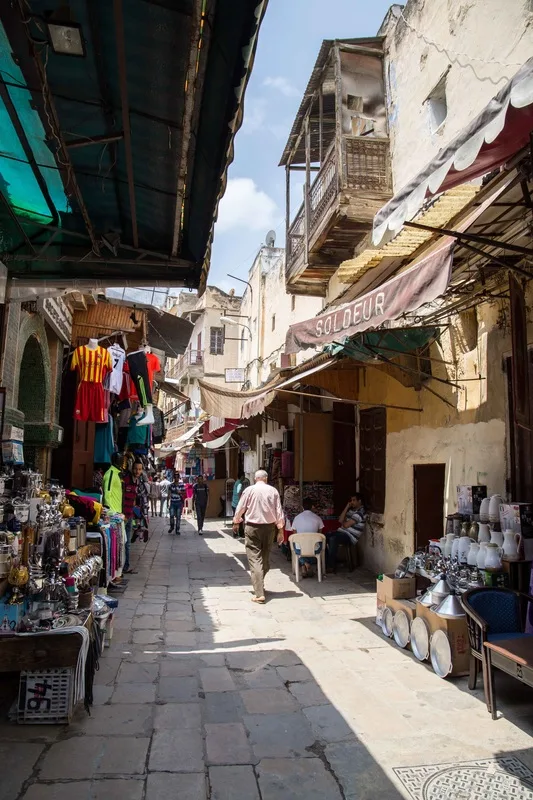
We entered through the ancient Jewish quarter, still preserved after all this time, and walked through various shops selling modern clothing. I saw some high end brand logos like Chanel and Lacoste, but they were likely knockoffs. The alleys were narrow, crowded, noisy, and made it all the more fun to traverse, having to weave around people, carts, donkeys, and wild dogs. I was trying to look everywhere at once.
Then, we were walking through the gold quarter, a wider cobbled street of actual brick-and-window stores, rather than shop fronts extending on to the street. It was much quieter here, and less crowded. Beyond it was our goal, the traditional area, where we would be buying gifts and some things for ourselves. Here, the sky suddenly opened up, revealing dramatic clouds. A storm was brewing...
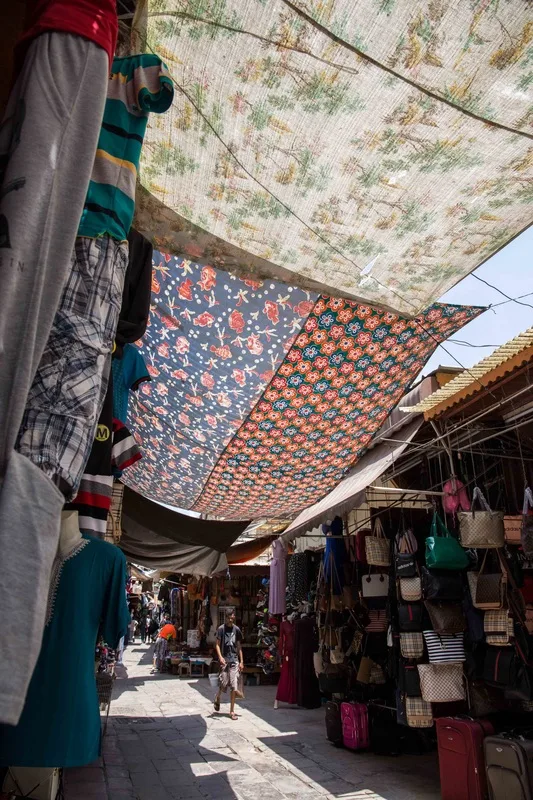
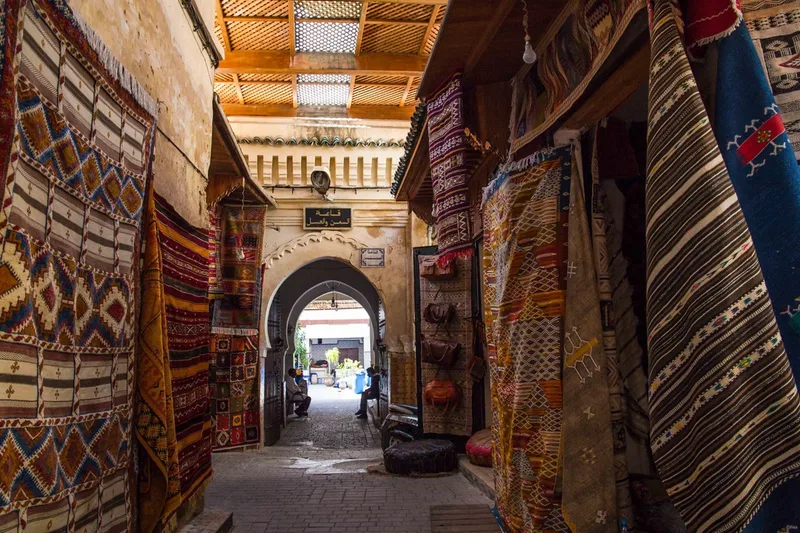
The traditional quarter of the souq is as colourful as a rainbow. There are jalabas and house dresses, shirt and pant suits, and harem pants and hijabs in an enormous variety of colours, styles, sizes and patterns. I wanted to buy almost everything! Beyond clothes, they also sold small ceramics like mini tajines (decorative or for small-item-storage), enamelled boxes, and jewellery, both traditionally Berber style or more modern. Here and there in nooks and crannies were little sausage shops, selling freshly grilled sausage sandwiches, with a lovely yet gently spicy kick.
And of course, there were trolly sellers of grilled corn, snails, fruit and more sausages.
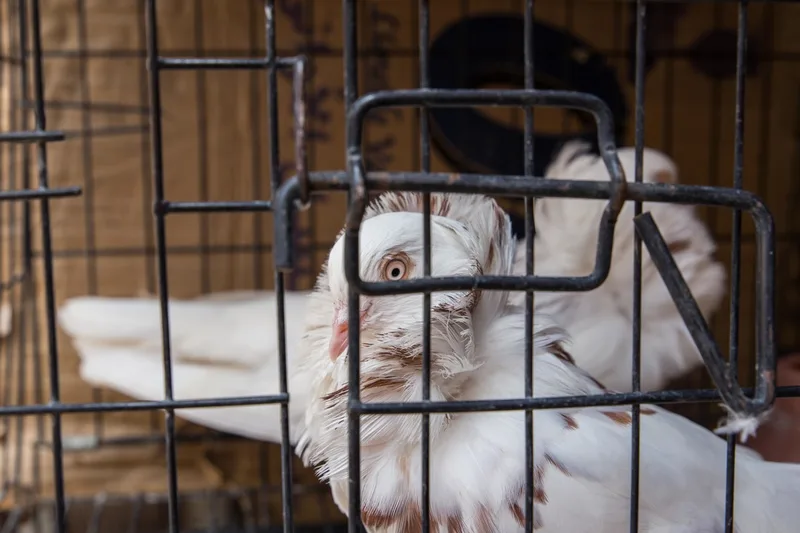
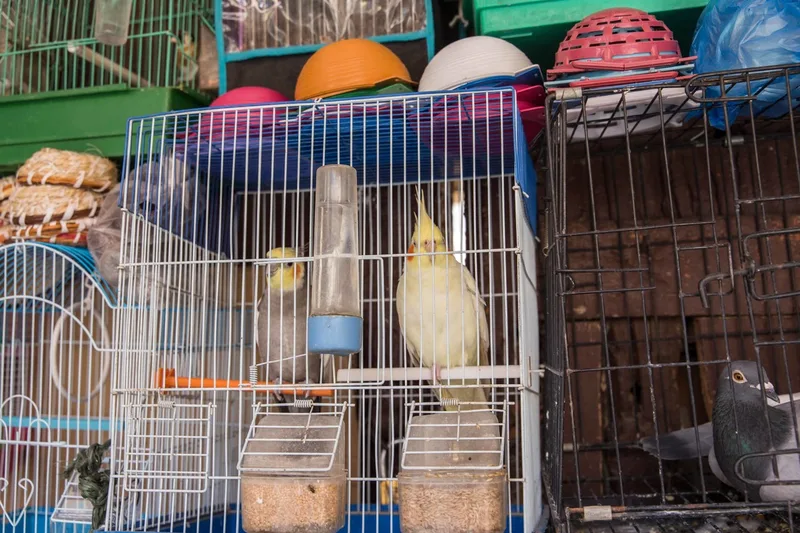
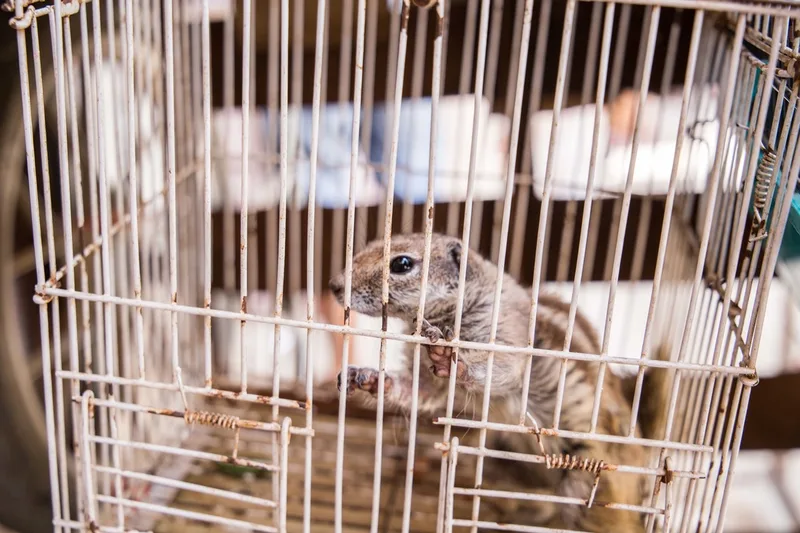
My favourite, beyond the clothing stores, where the pet shops, with an odd variety of birds, rabbits, and chipmunks.
We entered through the ancient Jewish quarter, still preserved after all this time, and walked through various shops selling modern clothing. I saw some high end brand logos like Chanel and Lacoste, but they were likely knockoffs. The alleys were narrow, crowded, noisy, and made it all the more fun to traverse, having to weave around people, carts, donkeys, and wild dogs. I was trying to look everywhere at once.
Then, we were walking through the gold quarter, a wider cobbled street of actual brick-and-window stores, rather than shop fronts extending on to the street. It was much quieter here, and less crowded. Beyond it was our goal, the traditional area, where we would be buying gifts and some things for ourselves. Here, the sky suddenly opened up, revealing dramatic clouds. A storm was brewing...
The traditional quarter of the souq is as colourful as a rainbow. There are jalabas and house dresses, shirt and pant suits, and harem pants and hijabs in an enormous variety of colours, styles, sizes and patterns. I wanted to buy almost everything! Beyond clothes, they also sold small ceramics like mini tajines (decorative or for small-item-storage), enamelled boxes, and jewellery, both traditionally Berber style or more modern. Here and there in nooks and crannies were little sausage shops, selling freshly grilled sausage sandwiches, with a lovely yet gently spicy kick.
And of course, there were trolly sellers of grilled corn, snails, fruit and more sausages.
My favourite, beyond the clothing stores, where the pet shops, with an odd variety of birds, rabbits, and chipmunks.
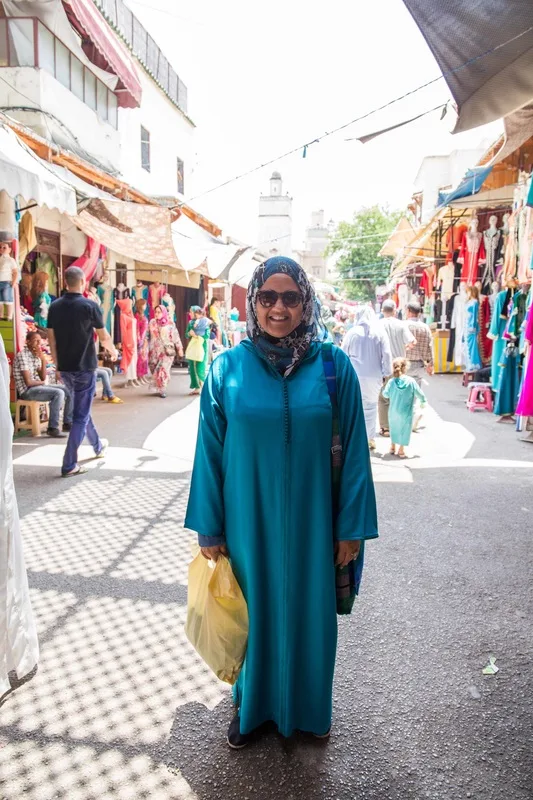
My mom in her newly bought jalaba, which she loved!
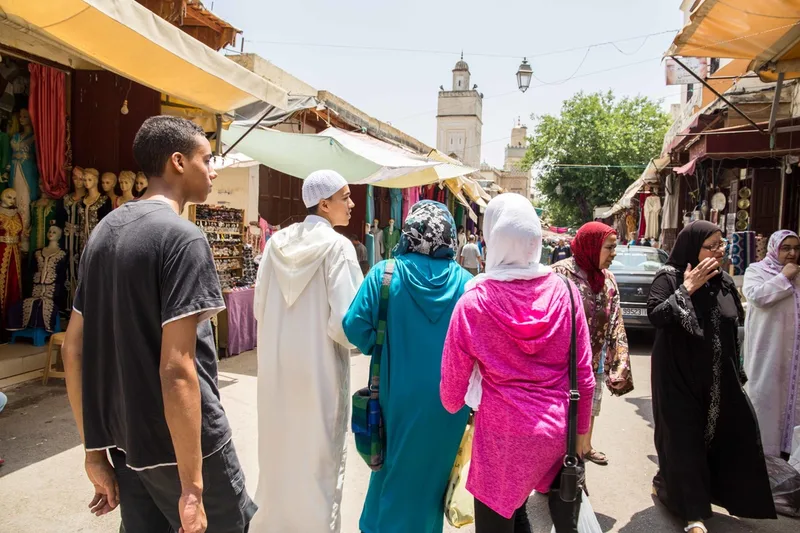
My siblings, who joined us briefly.
Right around the Maghrib prayer, after intermittent ominous rumblings of thunder, the clouds began to spatter us. Needing to pray soon anyway, my mom and I headed for the mosque, just as the clouds really let loose their torrent.
It was incredible, to sit on the edge of the open courtyard as the rain poured down. It's sure to be one of my favourite memories of this trip.
I close this post with this tidbit from my Arabic teacher: Every raindrop has an angel assigned to it, which places the drop where God has willed it to fall.
It was incredible, to sit on the edge of the open courtyard as the rain poured down. It's sure to be one of my favourite memories of this trip.
I close this post with this tidbit from my Arabic teacher: Every raindrop has an angel assigned to it, which places the drop where God has willed it to fall.
- Published on
Our first friday in Morocco was incredible. We had already settled by then, had explored near-by areas almost every night and day of that week, and were fighting off jet-lag with a determination that, to be honest, barely made a difference.
That day we woke at a reasonable time, around 9:00 am, to eat out. The five of us took two taxis to Paul's, a Parisian cafe, and ate a very Moroccan breakfast near a wonderful fountain that kept the air cool. I had an egg and meat tajin, fresh orange juice, and mint tea.
That day we woke at a reasonable time, around 9:00 am, to eat out. The five of us took two taxis to Paul's, a Parisian cafe, and ate a very Moroccan breakfast near a wonderful fountain that kept the air cool. I had an egg and meat tajin, fresh orange juice, and mint tea.
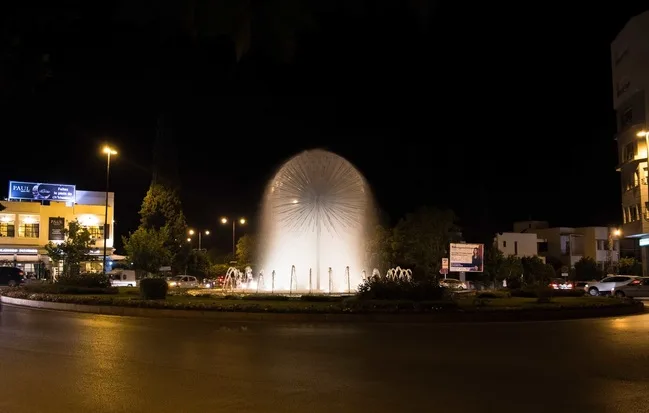
the fountain at night, with Paul's to the left
Then it was into the taxi for Bab al-Futuh, a graveyard on a hill overlooking Fez, and the final resting place for a number of martyrs and saints. We went specifically to visit the maqam (mausoleum) of Sidi Abdulaziz ad-Dabagh.
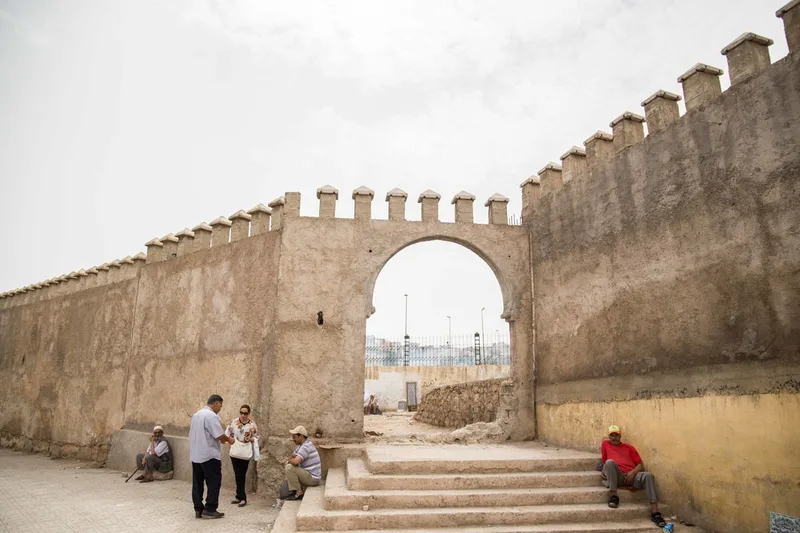
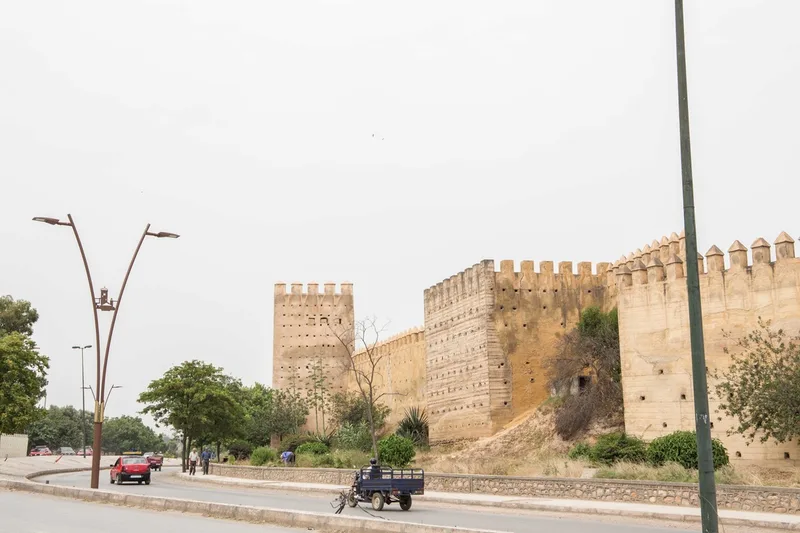
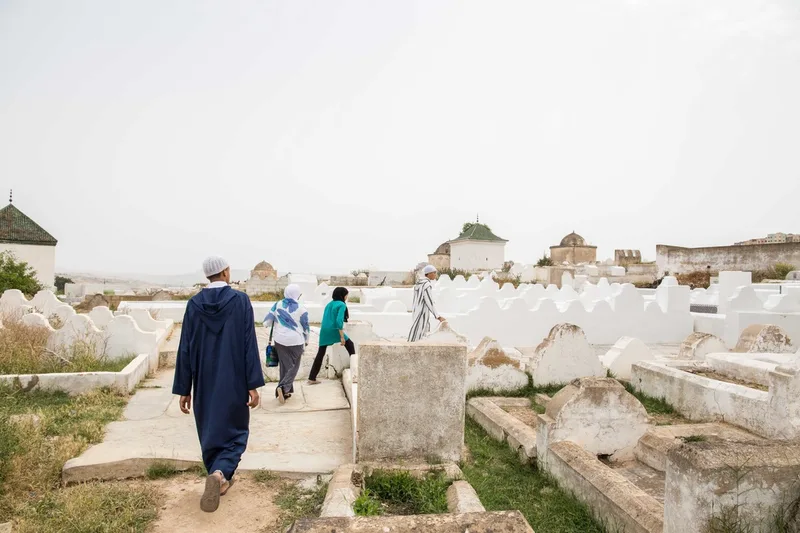
the family
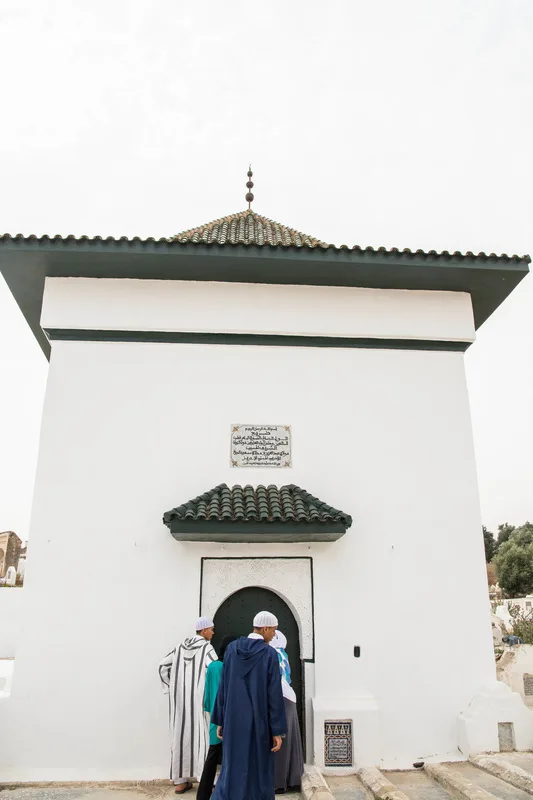
the maqam
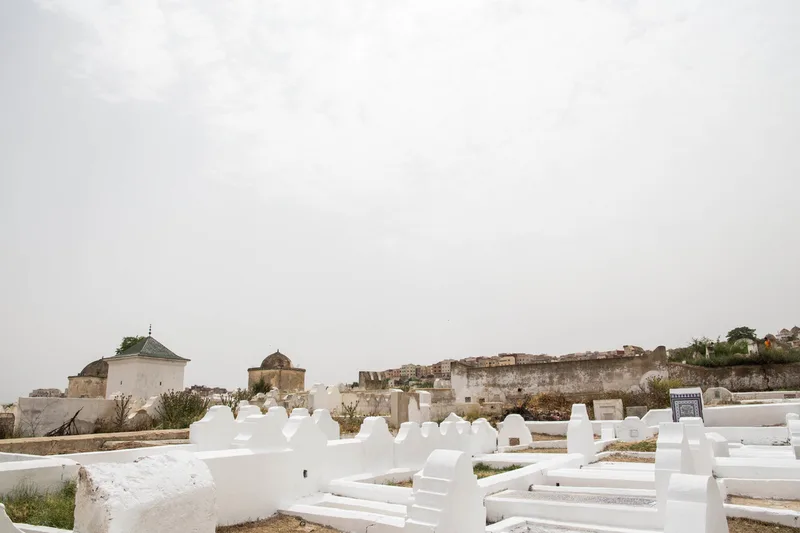
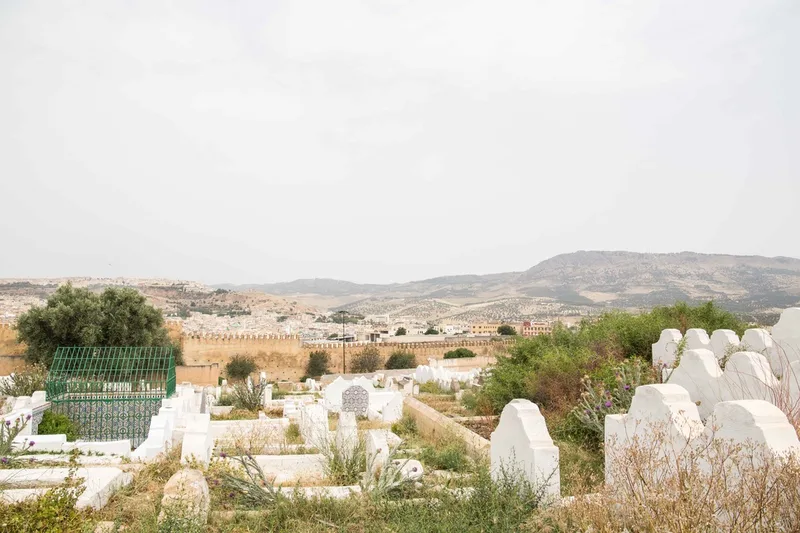
overlooking the old city
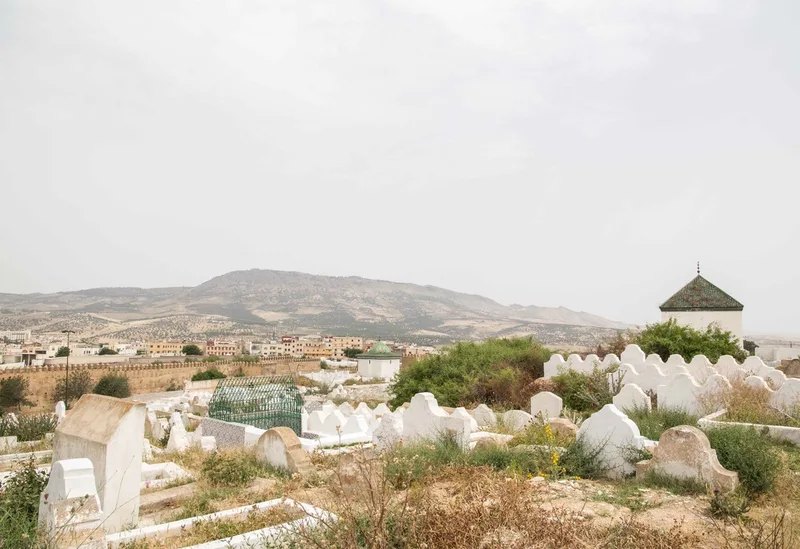
The entrance is crowded with women and children. We climbed our narrow, careful way through the cemetery so as to avoid stepping on any graves, passing other visitors and a few caretakers.
When we reached the maqam, we said salaam to the saint and a few prayers (asking for them to be answered on behalf of God's love for His saint), took a few photos, and climbed back down. When I look back, I will remember that it was hot and the plants where sharp and dry, and I could distantly here Quran from someone, somewhere.
We then decided to go to the maqam of Moulay Idris II while we waited for Jumu'a (the Friday prayer) to begin. It's a custom on Fridays in Morocco to read from the Dala'il al-Khayrat, a blessed collection of prayers on the Prophet (صلى الله عليه و سلم), and we hoped to hear this reading at Moulay Idris'. We were in luck!
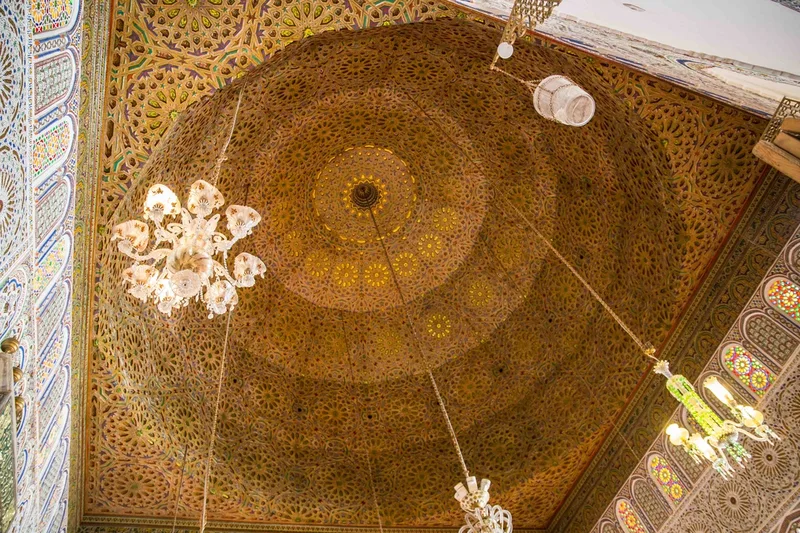
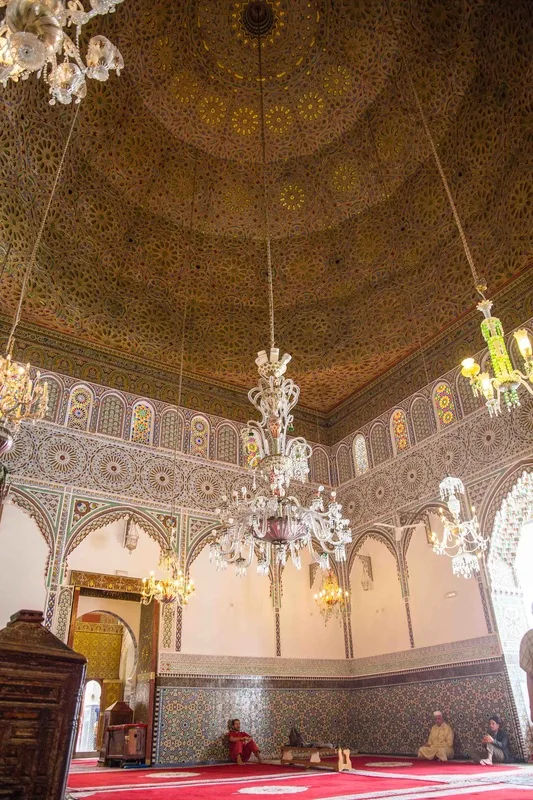
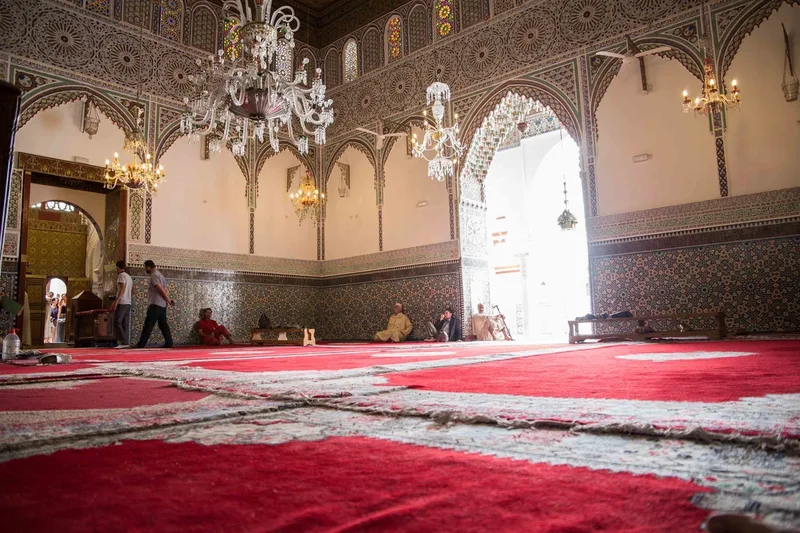
It was wonderful. We sat right behind the grave and listened to the melodious praise as it was amplified by the high dome and floated into the courtyard, like a warm and gentle, caressing breeze.
When we reached the maqam, we said salaam to the saint and a few prayers (asking for them to be answered on behalf of God's love for His saint), took a few photos, and climbed back down. When I look back, I will remember that it was hot and the plants where sharp and dry, and I could distantly here Quran from someone, somewhere.
We then decided to go to the maqam of Moulay Idris II while we waited for Jumu'a (the Friday prayer) to begin. It's a custom on Fridays in Morocco to read from the Dala'il al-Khayrat, a blessed collection of prayers on the Prophet (صلى الله عليه و سلم), and we hoped to hear this reading at Moulay Idris'. We were in luck!
It was wonderful. We sat right behind the grave and listened to the melodious praise as it was amplified by the high dome and floated into the courtyard, like a warm and gentle, caressing breeze.
Unfortunately I hadn't brought my phone to record the reading or the later singing, but then I remembered I could take videos (it's a new camera, I'm not used to it yet). I took a very short one, because people don't like to be recorded here for the trouble it might cause. Here's a snippet!
00:00
00:00
at moulay idris II
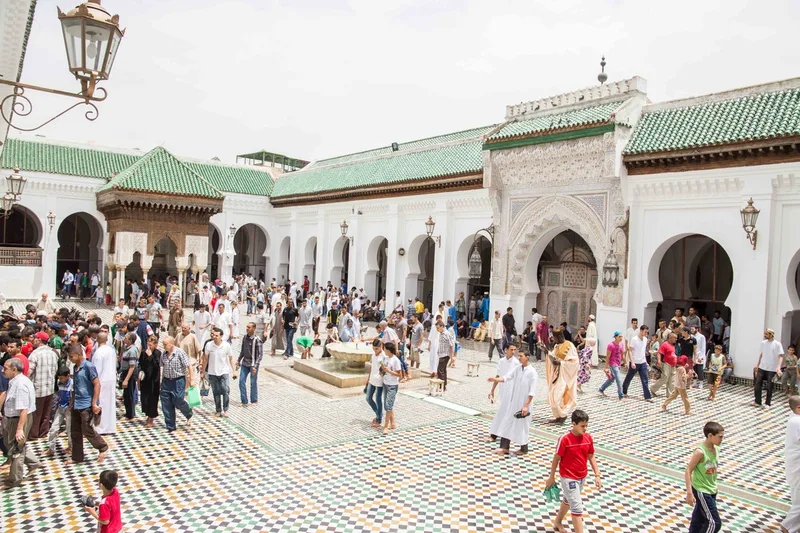
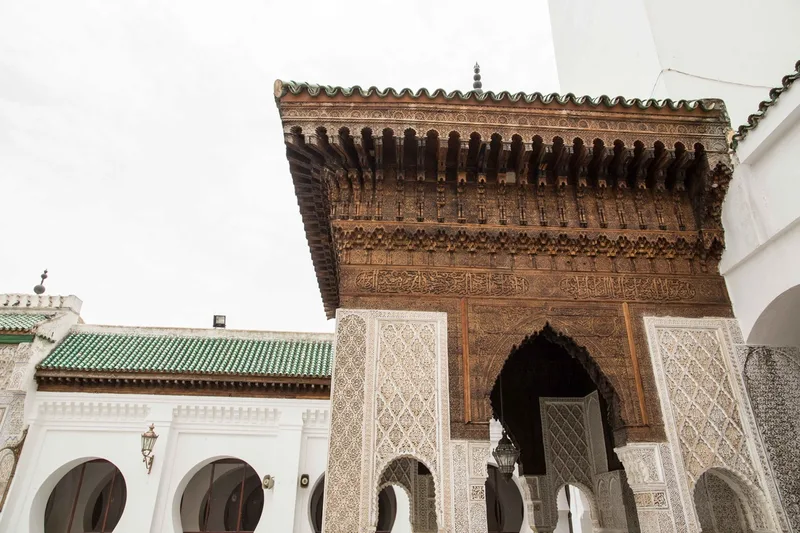
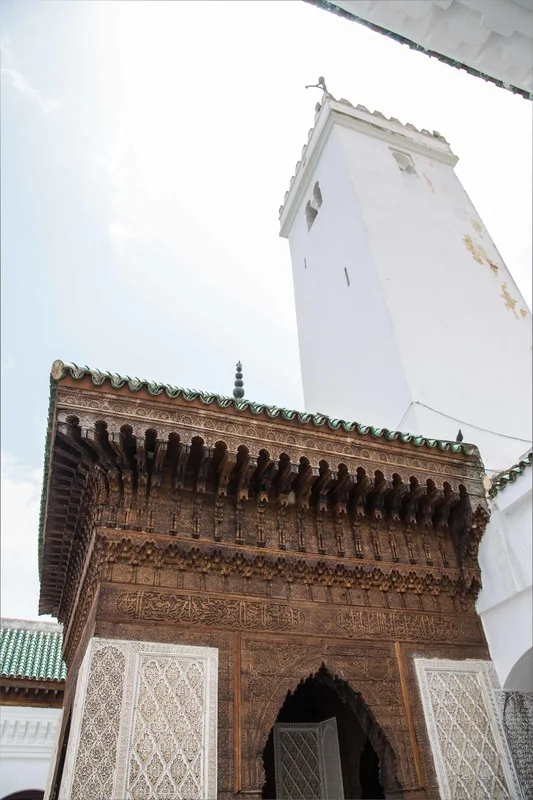
After that we were off to the Kairaouine to pray Jumu'a! It's only open around prayer times so I hadn't had the chance to visit before. We entered through a side door. My brothers headed to the men's section across the courtyard, while my mother, sister and I went left to the women's section.
It was a hot day, but the thing about hot days is that every lick of cool breeze is delightful. We sat right behind the little screens, stepping over feet and bags and bottles of water on our way. The fountains in the courtyard bubbled as men made wudu (ablution) and children and pigeons splashed in it. The tiles gleamed in the sun, hot to look at as they were (I'm sure) hot to touch.
I don't remember what the khutba (lecture) was about. I remember that I could understand a little of it, and I remember that a woman next to me chatting with me briefly, not minding how much I understood her.
It was a hot day, but the thing about hot days is that every lick of cool breeze is delightful. We sat right behind the little screens, stepping over feet and bags and bottles of water on our way. The fountains in the courtyard bubbled as men made wudu (ablution) and children and pigeons splashed in it. The tiles gleamed in the sun, hot to look at as they were (I'm sure) hot to touch.
I don't remember what the khutba (lecture) was about. I remember that I could understand a little of it, and I remember that a woman next to me chatting with me briefly, not minding how much I understood her.
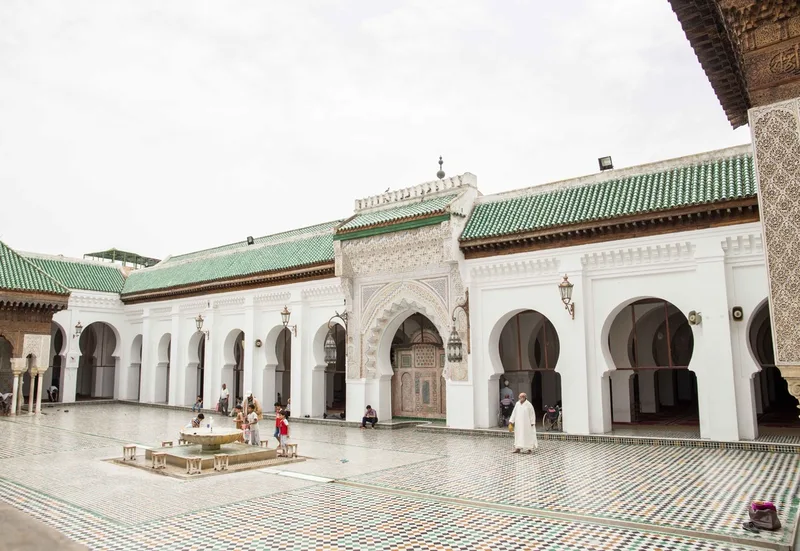
before prayer
after prayer
- Published on
Our first proper outing, after quite a lot of sleep, was to Fez Qadim, or 'the Old City'. My brother S (the older of the two living in Morocco) wanted to take us to a particular cafe that he promised we would like.
We entered through Bab Boujloud, right after Dhuhr time (around 3-ish) which is fairly near to the siesta time. The walls of the old city loomed above us in their ancient way. They look old, but beyond that they feel old, as though I'm looking at very still, very tired men, silent in their long vigil.
Immediately beyond the gate were hordes of bees, a mess of ruins, garbage, the beginnings of the souq, and mules hitched to carts. I thought the bees were flies because I wasn't paying attention, until S told me not to swat them.
I distinctly remember a man selling wrenches neatly laid out in rows upon a blue tarp, and a white mule, too thin and very sad looking.
The cafe was called Cafe Clock, and was a beautiful place hidden deep in an incredibly narrow alley. You entered through its door and it bloomed beyond you, three stories tall and an artful collage in and of itself, with tasteful pictures of oriental art, various employees, and former guests (including Camilla, Duchess of Cornwall) on its walls.
We climbed the tiny, towering stairs to the terrace, from which you could see the souq and the Old City roll out in all directions, like a frozen sea of whitewashed, square buildings. Nearly close enough to touch was a beautiful minaret.
We entered through Bab Boujloud, right after Dhuhr time (around 3-ish) which is fairly near to the siesta time. The walls of the old city loomed above us in their ancient way. They look old, but beyond that they feel old, as though I'm looking at very still, very tired men, silent in their long vigil.
Immediately beyond the gate were hordes of bees, a mess of ruins, garbage, the beginnings of the souq, and mules hitched to carts. I thought the bees were flies because I wasn't paying attention, until S told me not to swat them.
I distinctly remember a man selling wrenches neatly laid out in rows upon a blue tarp, and a white mule, too thin and very sad looking.
The cafe was called Cafe Clock, and was a beautiful place hidden deep in an incredibly narrow alley. You entered through its door and it bloomed beyond you, three stories tall and an artful collage in and of itself, with tasteful pictures of oriental art, various employees, and former guests (including Camilla, Duchess of Cornwall) on its walls.
We climbed the tiny, towering stairs to the terrace, from which you could see the souq and the Old City roll out in all directions, like a frozen sea of whitewashed, square buildings. Nearly close enough to touch was a beautiful minaret.
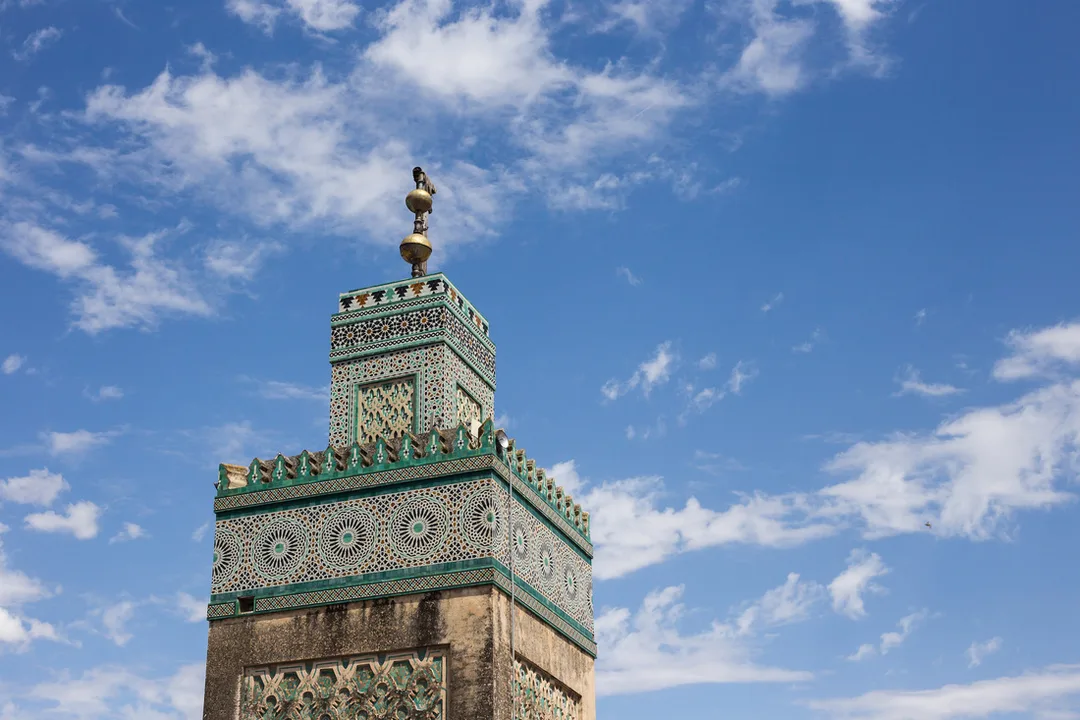
the minaret near the cafe
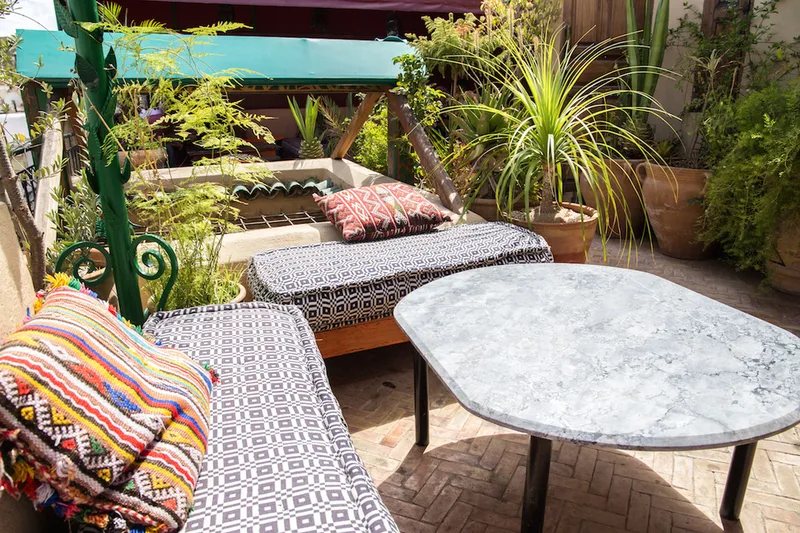
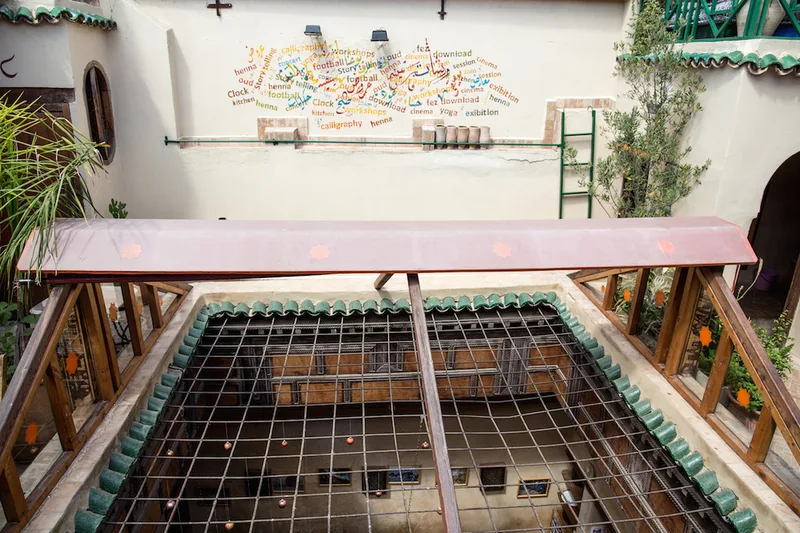
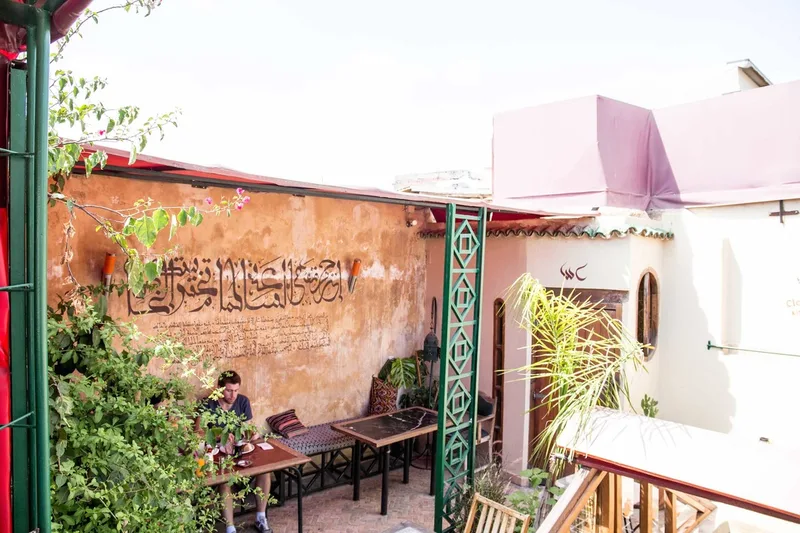
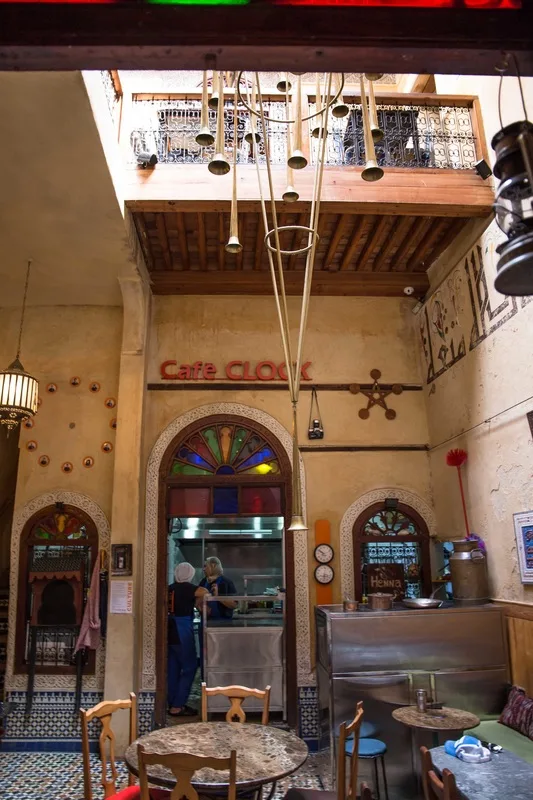
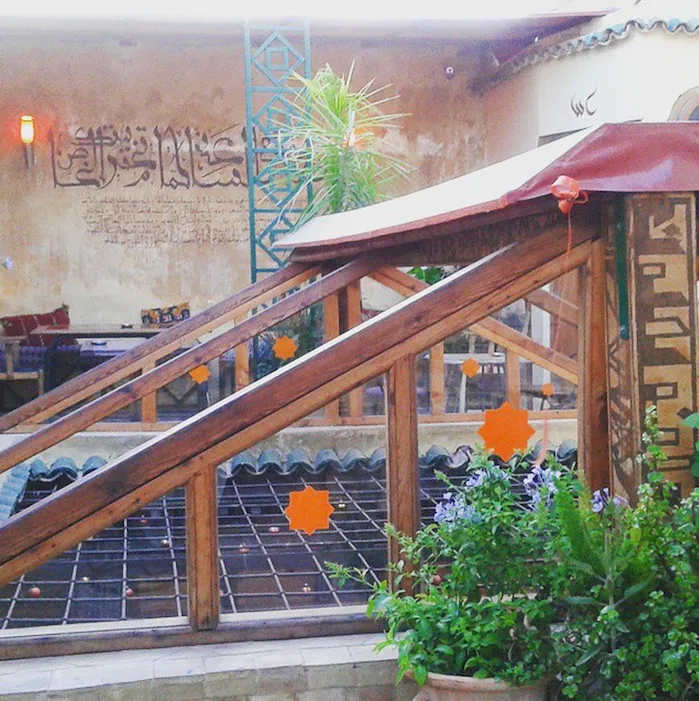
It was a very hipster place, apparently, but I just found it really charming. There was calligraphy stencilled onto the walls, brightly coloured cushions, benches, and tarps, and a riot of airy, leafy plants in corners and winding around pillars. Nearly everyone there spoke English, including the servers, because so many of their customers were foreigners.
The menu was delicious, perfectly suited to the place.
I had a lamb tajin (a Moroccan dish named after its distinctive plate) and S had a camel burger, which tasted like a camel smells. That might sound unappetizing, only I like the way camels smell. My other brother 'A' had the same tajin as I, and my mother and sister 'K' ordered a Moroccan salad, from which we all sampled. I never liked beets until then, but the food in Morocco is bursting with flavour. (I could happily eat beets and nothing else).
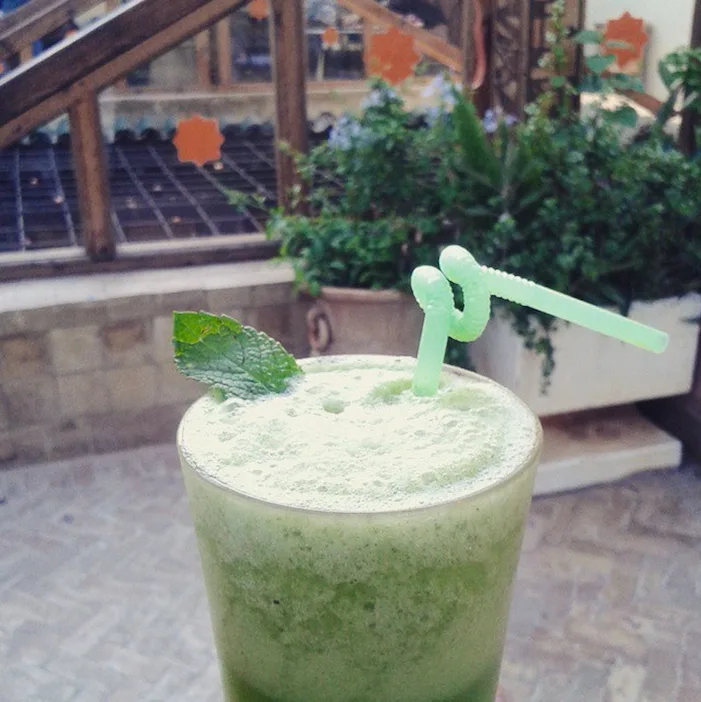
Upon S's recommendation, I also had the Iced Mint Lemonade, which is a little sour but incredibly refreshing, especially in the heat.
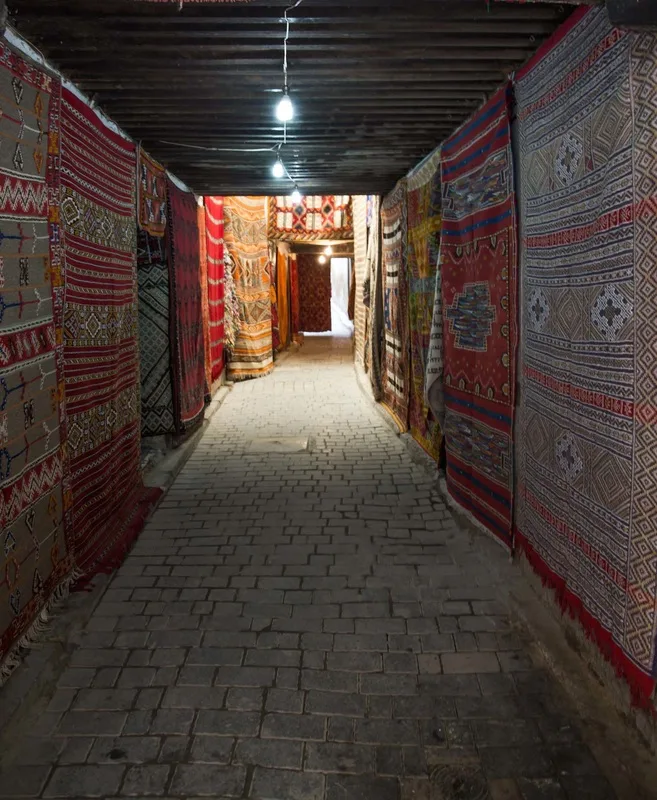
After we ate, S took us to visit the mausoleum of Moulay Idris II, winding through the souq streets. I remarked to my mother that I felt like Harry Potter first visiting Diagon Alley.
I had a lamb tajin (a Moroccan dish named after its distinctive plate) and S had a camel burger, which tasted like a camel smells. That might sound unappetizing, only I like the way camels smell. My other brother 'A' had the same tajin as I, and my mother and sister 'K' ordered a Moroccan salad, from which we all sampled. I never liked beets until then, but the food in Morocco is bursting with flavour. (I could happily eat beets and nothing else).
Upon S's recommendation, I also had the Iced Mint Lemonade, which is a little sour but incredibly refreshing, especially in the heat.
After we ate, S took us to visit the mausoleum of Moulay Idris II, winding through the souq streets. I remarked to my mother that I felt like Harry Potter first visiting Diagon Alley.
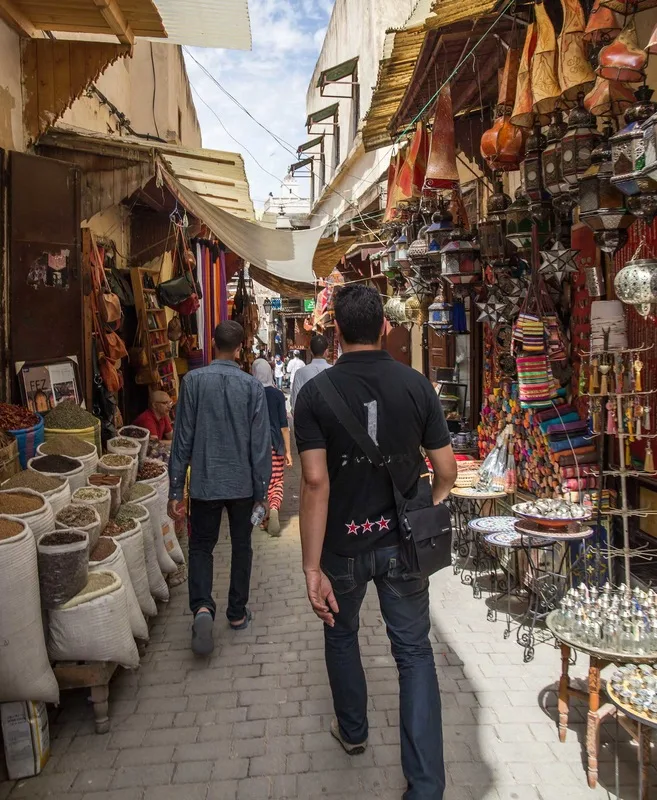
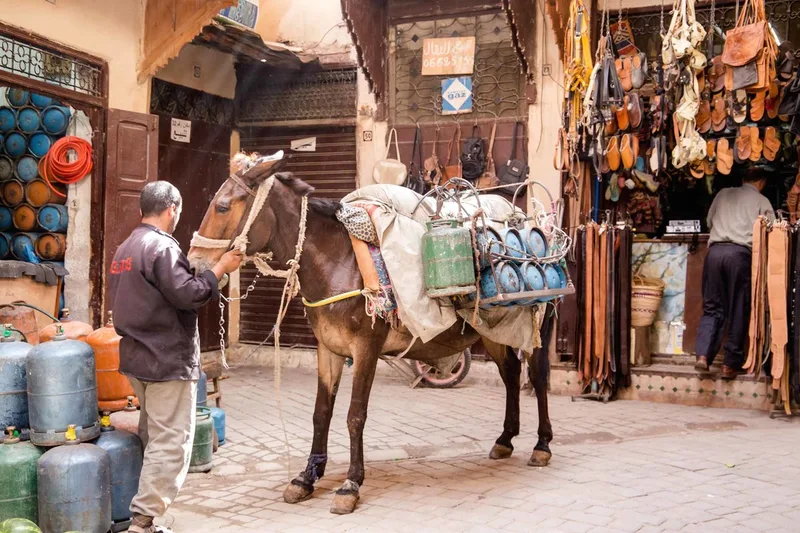
A mule delivering gasoline!
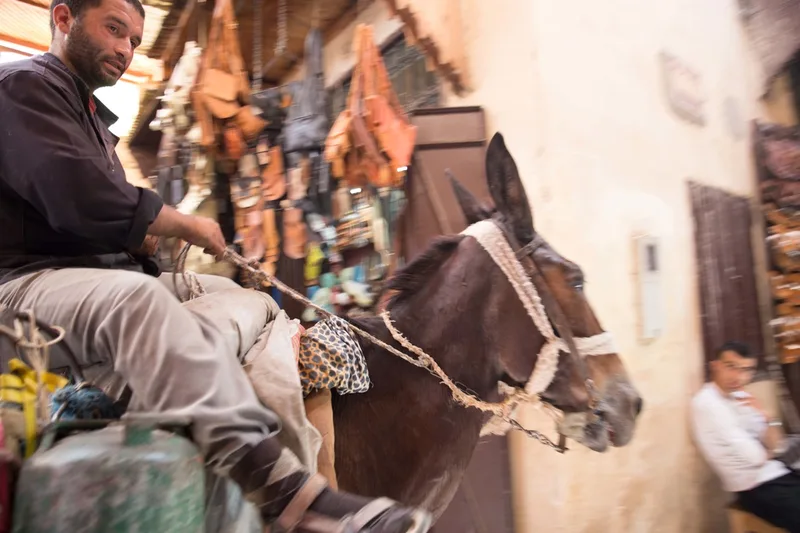
Off he goes...
Moulay Idriss II was the son of the man who established Fez, the great-grandson of the Prophet Muhammed (صلی اللہ علیہ وسلم) and my great-great-etc. grandfather through my father's side.
The last time my mother had visited Fez, large areas surrounding the mausoleum (or 'maqam' in Arabic) had been closed off for construction. I was blessed that for my first visit there, everything was open.
The last time my mother had visited Fez, large areas surrounding the mausoleum (or 'maqam' in Arabic) had been closed off for construction. I was blessed that for my first visit there, everything was open.
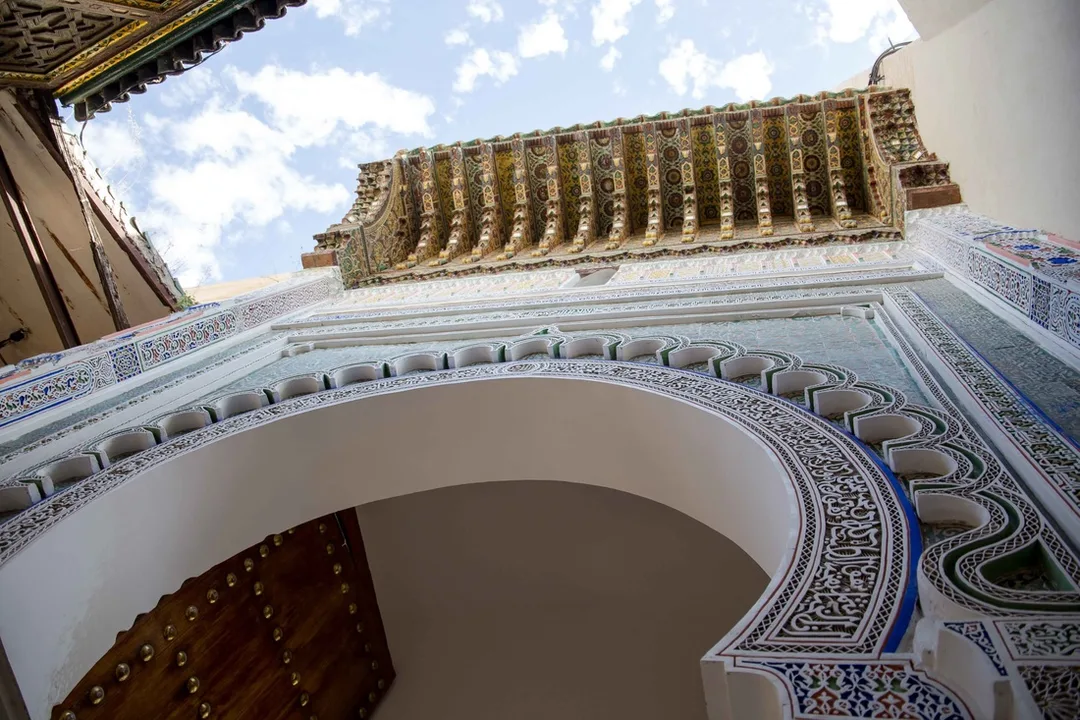
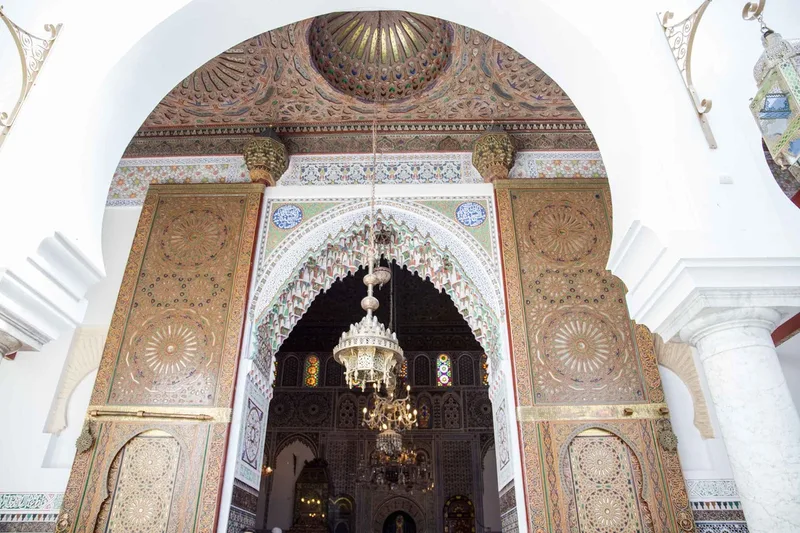
We entered through the beautiful main door arching above us, took off our shoes, and carried them in across a thin red carpet. Old men, caretakers of the maqam, sat in corners or beneath the arches branching off into further rooms, and for a dirham at most (about $0.7 CAD) they'll pray for you.
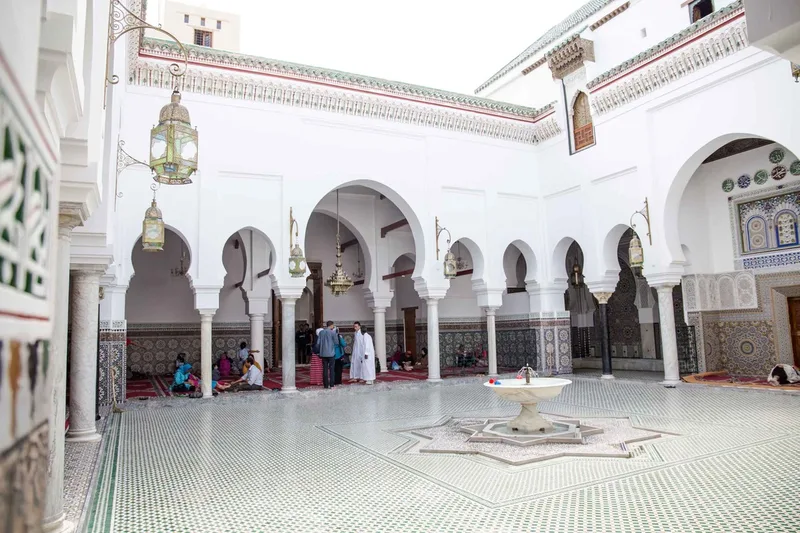
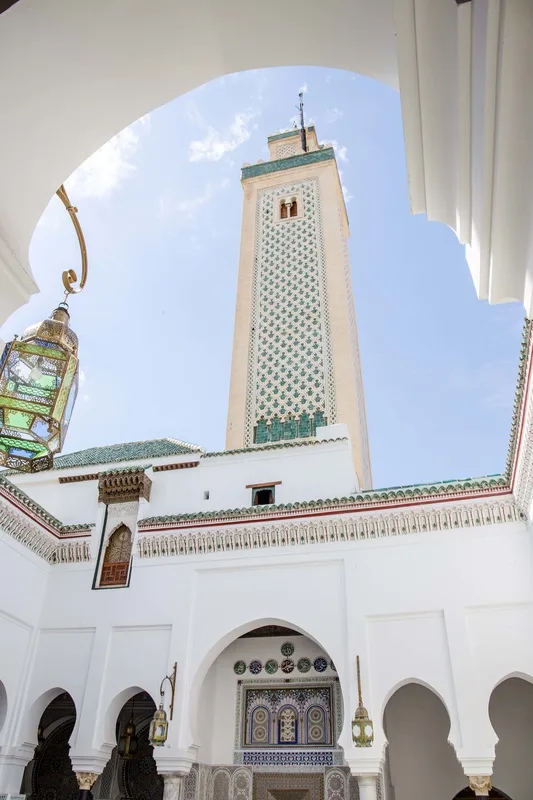
The centre of the maqam was a large and beautiful courtyard, the tiles blazing in the sun, with a singing fountain in its midst. To our backs was the minaret, ahead of us was the grave itself. I skirted the edge of the courtyard; it was too hot for my bare feet.
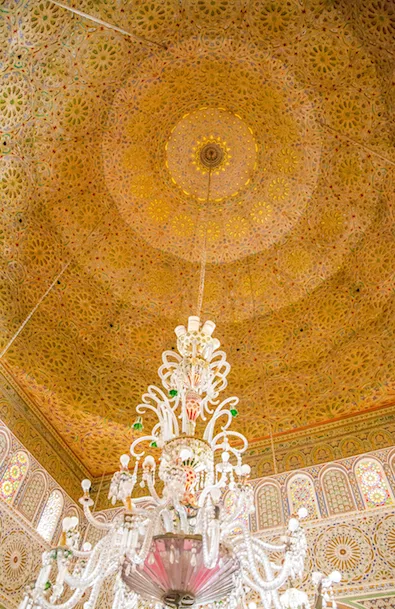
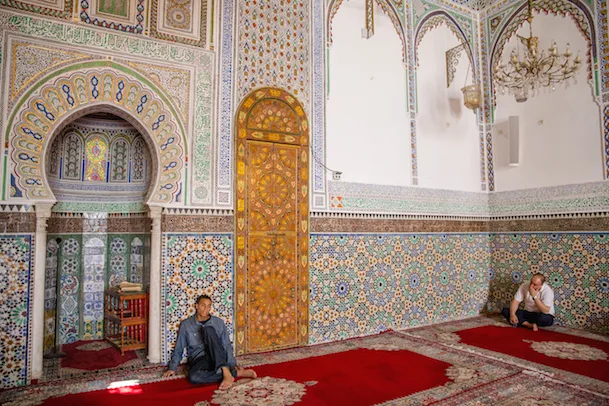
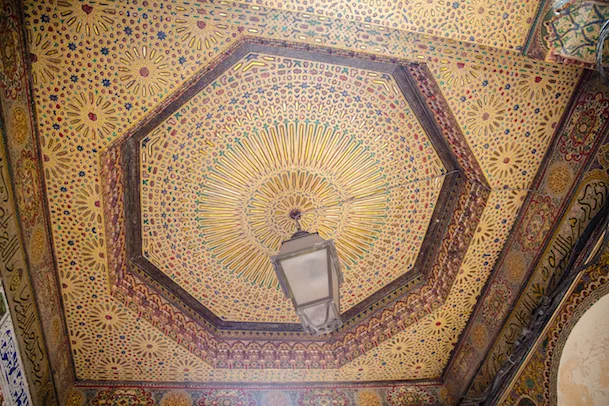
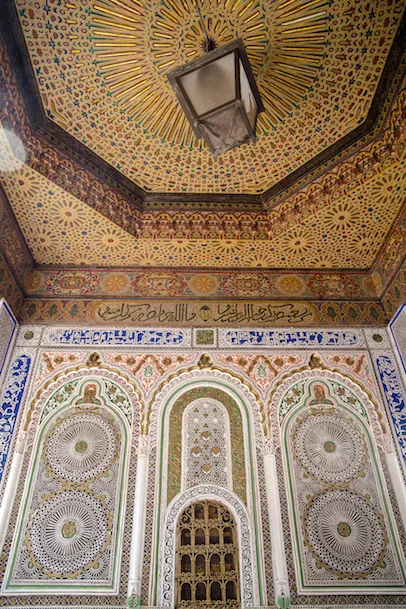
I'll let the photos speak to the ornateness, the majesty, the loving veneration of the architectures who designed the maqam. Words really wouldn't do it justice. I will say that everything was hand carved and that the ceilings are beautifully painted wood.
The centre of the maqam was a large and beautiful courtyard, the tiles blazing in the sun, with a singing fountain in its midst. To our backs was the minaret, ahead of us was the grave itself. I skirted the edge of the courtyard; it was too hot for my bare feet.
I'll let the photos speak to the ornateness, the majesty, the loving veneration of the architectures who designed the maqam. Words really wouldn't do it justice. I will say that everything was hand carved and that the ceilings are beautifully painted wood.
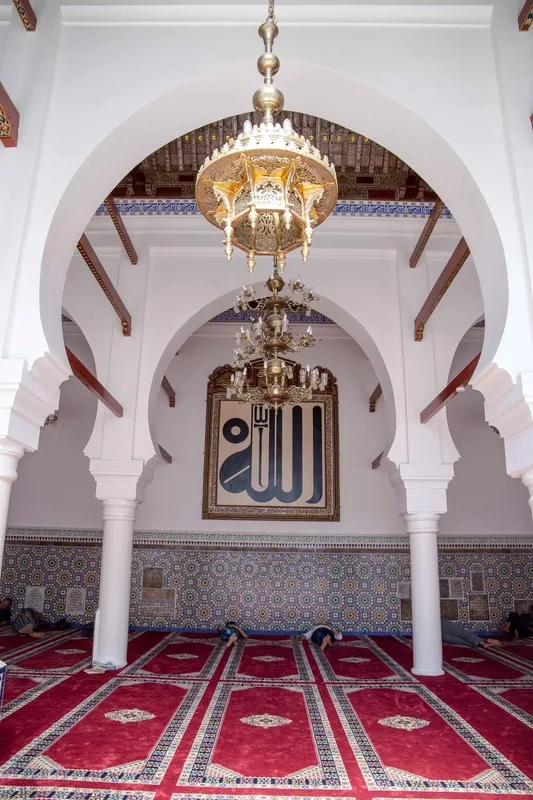
This الله or 'ism' was drawn by the saint Imam al-Qandusi
- Published on
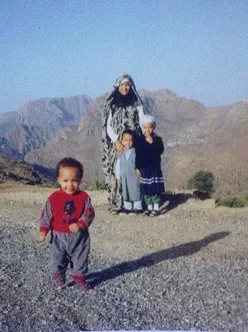
My mom, myself, and my two brothers. (Tanalt 1999)
My relationship with Morocco started a few years after I was born. My family and I lived there for about three years in total, split between Fez and a Berber mountain village called Tanalt, while my father studied. My sister, the youngest of us four, was born in Fes.
I visited again when I was ten years old, just me and my dad. I was a brat, but it cemented fond memories in me that were firmer than the dream-like memories of my small child years.
About six months ago, my brother left to live in Morocco and study with my father's teacher. Three months later, my other brother joined them.
I visited again when I was ten years old, just me and my dad. I was a brat, but it cemented fond memories in me that were firmer than the dream-like memories of my small child years.
About six months ago, my brother left to live in Morocco and study with my father's teacher. Three months later, my other brother joined them.
I had been wanting to go back for so long that when we finally decided to spend our summer there, I didn't quite believe it. Not even when I was on the plane. It hit me when we landed, seven hours later, in Casablanca. It was a balmy day at 23°C, and it rained as we waited for our taxi to Fez. When I looked up, I could see the drops from wispy clouds, suspended for a moment in time, miles above us.
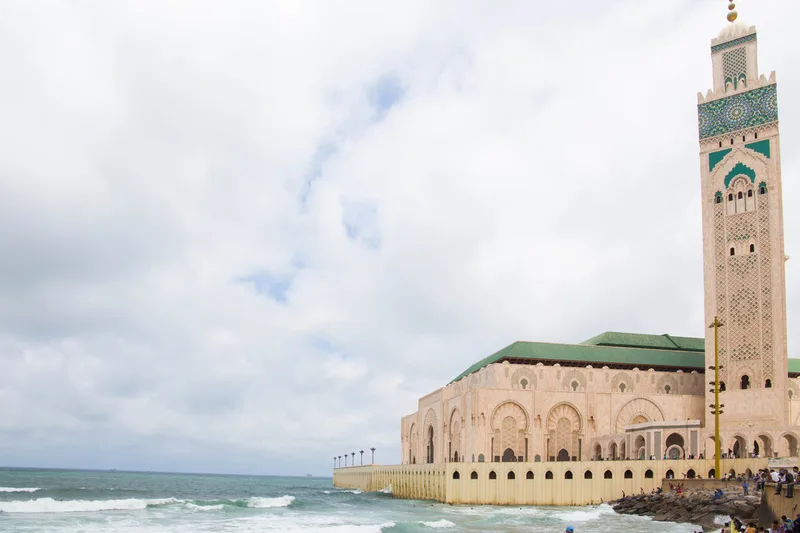
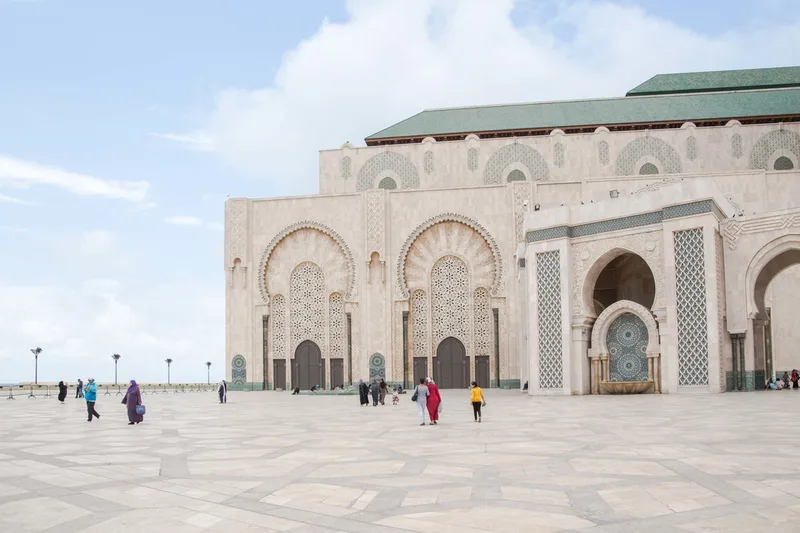
We didn't leave immediately for Fez; we detoured for prayer at the historic Hassan II Mosque. It hugs the coast, with crashing waves at the foot of its walls. People look tiny against its mass. I craned my neck to squint against the sun at the towering minaret, tallest in the world (though Saudi will, I'm sure, try to beat it at some point).
I've been to Versailles (briefly) and Dolmabahce, Istanbul (less briefly) and though beautiful, they were almost grossly so. Hassan II mosque isn't like that. It's immense, it's incredibly detailed, and yet it doesn't overwhelm and overpower you like too strong perfume. Walking through it, I truly understood what 'drinking in the sights' felt like.
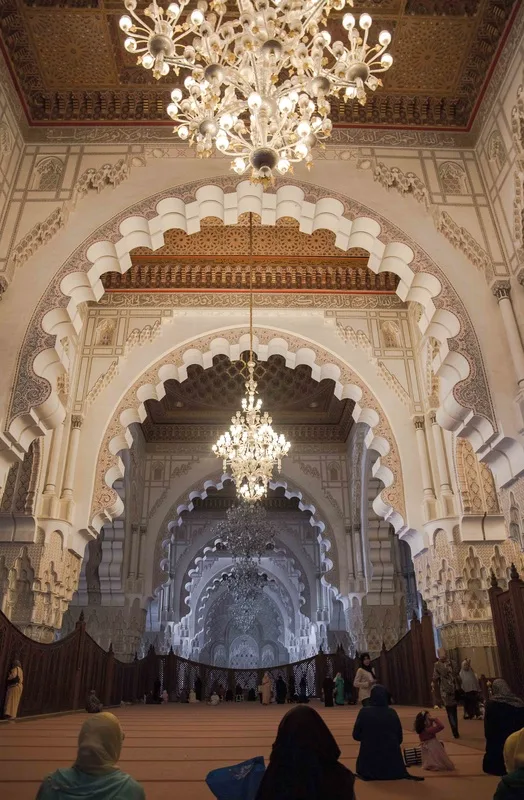
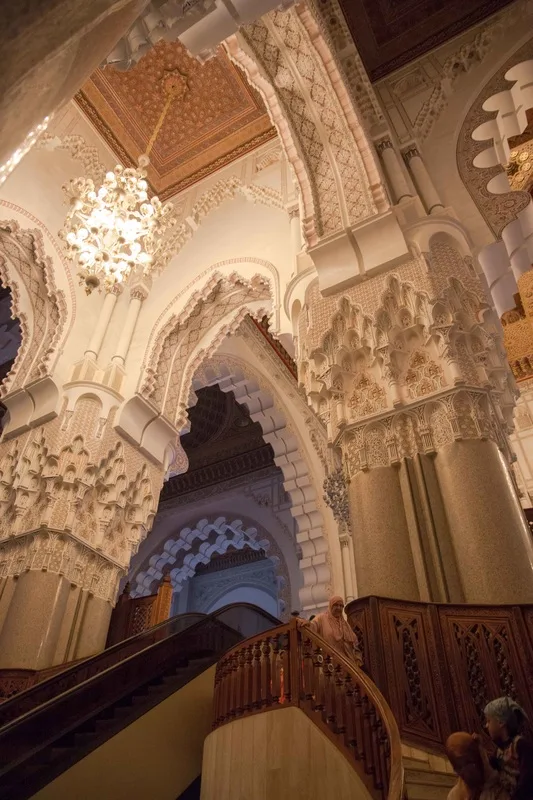
Everything had been given due consideration, from the marble floors inlaid with vast Moroccan stars, to the enormous pillars, wide as (perhaps) six men linked arm and arm around it. The ceilings over the women's section were soothing mosaics of green, brown and white, touched with gold, pink and red, and were framed by precisely cut arches. The main areas were tiled in majestic green and blue, gold and grey, arching and stern. Dropping like flowering, sturdy crystals were glass chandeliers, some of them lit but most kept dark.
It was a place you wanted to sit in and absorb, for hours, because the more you stared the more you noticed. But we had a five hour drive ahead of us, so we prayed, and left.
We didn't leave immediately for Fez; we detoured for prayer at the historic Hassan II Mosque. It hugs the coast, with crashing waves at the foot of its walls. People look tiny against its mass. I craned my neck to squint against the sun at the towering minaret, tallest in the world (though Saudi will, I'm sure, try to beat it at some point).
I've been to Versailles (briefly) and Dolmabahce, Istanbul (less briefly) and though beautiful, they were almost grossly so. Hassan II mosque isn't like that. It's immense, it's incredibly detailed, and yet it doesn't overwhelm and overpower you like too strong perfume. Walking through it, I truly understood what 'drinking in the sights' felt like.
Everything had been given due consideration, from the marble floors inlaid with vast Moroccan stars, to the enormous pillars, wide as (perhaps) six men linked arm and arm around it. The ceilings over the women's section were soothing mosaics of green, brown and white, touched with gold, pink and red, and were framed by precisely cut arches. The main areas were tiled in majestic green and blue, gold and grey, arching and stern. Dropping like flowering, sturdy crystals were glass chandeliers, some of them lit but most kept dark.
It was a place you wanted to sit in and absorb, for hours, because the more you stared the more you noticed. But we had a five hour drive ahead of us, so we prayed, and left.